Session & Tracks
General Internal Medicine and Clinical Practice
This track focuses on advances in general internal medicine, clinical assessment, diagnostic reasoning, and evidence-based treatment approaches. It will explore the management of complex medical conditions, multimorbidity, and patients with multiple chronic diseases. Discussions will address clinical decision-making, early disease recognition, and the integration of multidisciplinary care. Participants will have opportunities to share clinical experiences and explore strategies for improving patient safety and quality of care. The track aims to strengthen clinical practice through scientific evidence and innovative approaches to patient management.
Cardiology and Cardiovascular Medicine
This session explores recent developments in cardiovascular medicine, including the diagnosis, prevention, and management of heart diseases. Topics will include hypertension, coronary artery disease, heart failure, cardiac arrhythmias, valvular disorders, and cardiovascular risk assessment. Discussions will highlight advances in cardiac imaging, preventive cardiology, and individualized treatment strategies. The session will also examine the role of lifestyle modification, digital monitoring, and multidisciplinary care in reducing cardiovascular complications. Participants can exchange knowledge on improving cardiovascular health and long-term patient outcomes.
Diabetes, Endocrinology and Metabolic Disorders
This track addresses contemporary approaches to diabetes management, endocrine disorders, obesity, and metabolic diseases. Scientific discussions will cover glucose monitoring, insulin delivery systems, diabetes-related complications, thyroid dysfunction, adrenal disorders, and metabolic syndrome. Attention will be given to early diagnosis, personalized treatment, and preventive strategies for reducing the burden of chronic metabolic conditions. The session will also explore emerging pharmacological therapies and the relationship between metabolic health and cardiovascular and renal complications. Participants will gain insights into integrated approaches to endocrine care and long-term disease management.
Pulmonology and Respiratory Medicine
This session focuses on advances in respiratory medicine, covering common and complex pulmonary conditions affecting patients across different age groups. Topics will include asthma, chronic obstructive pulmonary disease, pneumonia, tuberculosis, interstitial lung diseases, and respiratory failure. Discussions will examine pulmonary function testing, diagnostic imaging, oxygen therapy, and contemporary treatment approaches. The track will also consider environmental and occupational respiratory diseases, sleep-related breathing disorders, and pulmonary rehabilitation. Its objective is to encourage knowledge exchange on improving respiratory health through timely diagnosis and effective clinical management.
Gastroenterology and Hepatology
This track examines current developments in the diagnosis and management of gastrointestinal, pancreatic, and liver disorders. Key areas include inflammatory bowel disease, gastroesophageal reflux disease, peptic ulcer disease, chronic liver disease, viral hepatitis, and metabolic dysfunction-associated steatotic liver disease. Discussions will explore endoscopic techniques, gastrointestinal bleeding, digestive complications, and strategies for early detection of gastrointestinal malignancies. The session will also address nutritional management and the role of lifestyle interventions in digestive health. Participants will exchange insights into evidence-based treatment and advances in gastroenterological care.
Nephrology and Renal Medicine
This session highlights advances in kidney disease prevention, diagnosis, and treatment, with particular attention to acute kidney injury and chronic kidney disease. Topics will include diabetic kidney disease, electrolyte imbalances, acid-base disorders, glomerular diseases, kidney stones, and resistant hypertension. Discussions will examine dialysis, renal replacement therapies, kidney transplantation, and strategies for preventing medication-related kidney injury. The track will also address early biomarkers, fluid management, and approaches to slowing renal disease progression. It aims to promote better renal outcomes through early intervention and coordinated clinical care.
Infectious Diseases and Clinical Microbiology
This track focuses on the changing landscape of infectious diseases and the clinical challenges associated with their diagnosis, prevention, and treatment. Topics will include emerging infections, tuberculosis, HIV, sepsis, antimicrobial resistance, and healthcare-associated infections. Discussions will highlight molecular diagnostics, antimicrobial stewardship, vaccination, and infection prevention and control. The session will also examine infections in immunocompromised patients and the development of new antimicrobial therapies. Participants will explore evidence-based strategies to strengthen infection management and address emerging public health threats.
Hematology and Medical Oncology
This session explores advances in blood disorders, hematological malignancies, cancer diagnosis, and medical oncology. Topics will include anemia, coagulation disorders, thrombosis, leukemia, lymphoma, and plasma cell diseases. Discussions will cover cancer screening, targeted therapies, immunotherapy, supportive care, and the management of oncological emergencies. The track will also address complications arising from cancer treatment and the importance of multidisciplinary collaboration. Its goal is to encourage scientific exchange on improving early diagnosis, treatment effectiveness, and quality of life for patients with hematological and malignant diseases.
Neurology and Neurovascular Medicine
This track addresses clinical advances in neurological and neurovascular disorders, with a focus on early recognition, diagnostic evaluation, and comprehensive patient management. Topics will include stroke, epilepsy, migraine, Parkinson’s disease, dementia, peripheral neuropathies, and neuromuscular disorders. Discussions will explore neuroimaging, neurological assessment, rehabilitation, and emerging therapeutic approaches. Attention will also be given to stroke prevention, cognitive health, and the management of neurological complications associated with systemic diseases. Participants will exchange knowledge on improving neurological outcomes through timely intervention and coordinated care.
Rheumatology and Autoimmune Diseases
This session focuses on inflammatory, autoimmune, and musculoskeletal disorders encountered in internal medicine. Topics will include rheumatoid arthritis, systemic lupus erythematosus, vasculitis, osteoarthritis, gout, and connective tissue diseases. Discussions will examine early diagnosis, disease activity assessment, biologic therapies, and targeted treatment approaches. The track will also address multisystem involvement and the importance of collaboration between rheumatologists and other medical specialists. Participants will explore strategies for reducing disease complications, preserving mobility, and improving long-term patient well-being.
Primary Care and Preventive Medicine
This track highlights the essential role of primary healthcare in disease prevention, early diagnosis, and continuity of care. Topics will include routine health assessments, preventive screening, adult immunization, lifestyle medicine, nutrition, and the management of common acute illnesses. Discussions will examine chronic disease monitoring, patient education, health literacy, and community-based prevention strategies. The session will also explore ways to improve access to healthcare and strengthen coordination between primary care providers and specialists. Its central objective is to support accessible, effective, and patient-centered healthcare across diverse populations.
Geriatric Medicine and Healthy Aging
This session explores the medical needs of older adults and advances in comprehensive geriatric care. Topics will include frailty, falls, dementia, osteoporosis, polypharmacy, delirium, and age-related chronic diseases. Discussions will emphasize medication safety, nutritional assessment, functional independence, rehabilitation, and the prevention of avoidable hospitalizations. The track will also address palliative care, shared decision-making, and coordinated support for patients with multiple health conditions. Participants will examine practical approaches to promoting healthy aging, preserving quality of life, and improving care for older populations.
Critical Care and Emergency Medicine
This track addresses the recognition and management of acute medical emergencies and life-threatening conditions. Topics will include sepsis, shock, respiratory failure, multiorgan dysfunction, acute cardiovascular events, and emergency resuscitation. Discussions will focus on clinical assessment, stabilization, monitoring, and evidence-based interventions in critical care settings. The session will also explore patient safety, multidisciplinary teamwork, and the management of critically ill patients with complex medical needs. Participants will share knowledge on improving clinical responses, reducing complications, and supporting recovery following serious illness.
Digital Health, Artificial Intelligence and Medical Innovation
This session examines the growing role of digital technologies and artificial intelligence in internal medicine and primary healthcare. Topics will include telemedicine, electronic health records, clinical decision-support systems, wearable devices, and remote patient monitoring. Discussions will consider the potential of data-driven tools to support diagnosis, improve care coordination, and assist clinical decision-making. The track will also address patient privacy, data security, responsible AI use, and the challenges of integrating new technologies into routine medical practice. Participants will explore how technological innovation can complement clinical expertise and support safer, more efficient healthcare delivery.
Clinical Research, Evidence-Based Medicine and Precision Healthcare
This track focuses on clinical research methods, translational science, and the application of scientific evidence to medical practice. Topics will include clinical trials, real-world evidence, diagnostic biomarkers, pharmacogenomics, precision medicine, and personalized treatment strategies. Discussions will examine research ethics, clinical data interpretation, and the translation of laboratory findings into patient care. The session will also encourage collaboration between clinicians, researchers, academic institutions, and healthcare organizations. Its purpose is to support high-quality research and accelerate the adoption of evidence-based innovations that can improve patient outcomes.
Market Analysis
The field of internal medicine and primary care is experiencing continuous growth and transformation due to the increasing prevalence of chronic diseases, aging populations, and the growing demand for preventive healthcare and early diagnosis. Cardiovascular diseases, diabetes, obesity, respiratory disorders, infectious diseases, and other long-term medical conditions have increased the need for effective clinical management and integrated healthcare services. Advances in medical research, diagnostic technologies, precision medicine, artificial intelligence, and telemedicine are further transforming healthcare delivery and creating new opportunities for clinical innovation and collaboration.
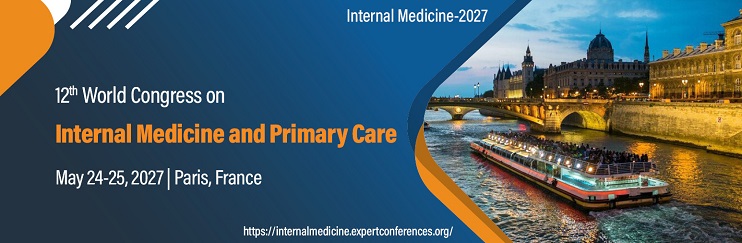
The 12th World Congress on Internal Medicine and Primary Care, scheduled for May 24–25, 2027, in Paris, France, provides an international platform to discuss these emerging developments and challenges. The conference is expected to appeal to physicians, general practitioners, medical specialists, researchers, academicians, healthcare professionals, medical students, pharmaceutical representatives, and medical technology companies. Key areas of interest include cardiovascular medicine, diabetes and metabolic disorders, infectious diseases, preventive healthcare, digital health, clinical research, and personalized treatment approaches. By bringing together professionals from different medical disciplines, the congress aims to encourage knowledge exchange, promote scientific collaboration, and explore innovative approaches to improving patient care.
The growing emphasis on evidence-based medicine, patient-centered healthcare, disease prevention, and technological advancement creates opportunities for scientific meetings focused on internal medicine and primary care. The conference can support professional networking, research presentations, interdisciplinary discussions, and engagement with organizations involved in healthcare innovation. Opportunities for participation may include oral presentations, poster sessions, scientific symposia, exhibitions, and sponsorship activities. Through its theme, “Advancing Internal Medicine and Primary Care Through Innovation,” the congress aims to contribute to discussions on current clinical challenges and emerging medical solutions while supporting the continued development of effective, accessible, and high-quality healthcare worldwide.
Key market opportunities
-
Scientific collaboration: Encourage partnerships between clinicians, universities, research institutions, and healthcare organizations.
-
Technology innovation: Highlight digital health, AI-supported diagnostics, remote monitoring, and precision medicine.
-
Chronic disease management: Address growing clinical needs in cardiology, diabetes, respiratory medicine, and renal care.
-
Primary healthcare development: Emphasize prevention, early diagnosis, continuity of care, and patient education.
-
Industry participation: Offer relevant exhibition and sponsorship opportunities for medical technology, diagnostics, and pharmaceutical organizations.
-
Early-career engagement: Create opportunities for students and young researchers to present research and connect with experienced professionals.